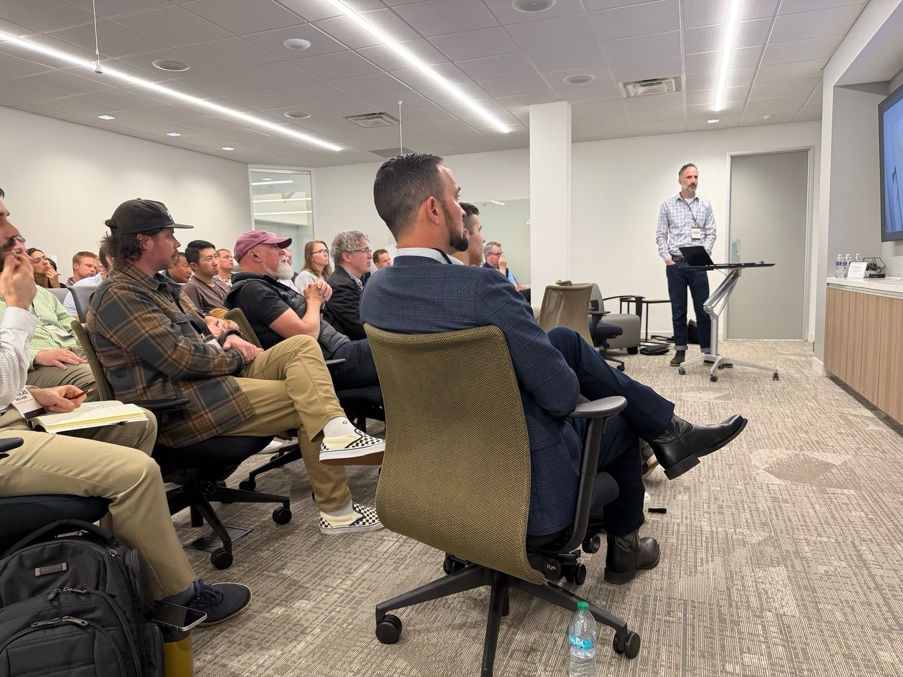
The building was packed, and standing at the registration table, I couldn't get the name tags and digital cash vouchers out quickly enough to keep the line from forming. Mission's finance leaders from all around the world had come to Arlington, Texas, to participate in the first Bitcoin for Ministry Summit hosted by Brilliance Labs, and it was stunning to see how many had turned up. While many of these missionaries and financial executives came from diverse fields with unique challenges, they all had two things in common. A desire to enhance their ability to preach the gospel to all nations, and a friend who was convinced that Bitcoin could help them do that.
The goal of the conference was not only to create a gathering space for mission finance leaders but also to offer Bitcoin-friendly folks an opportunity to bring their friends and colleagues into a welcoming environment where they could ask questions. And they had questions. How does this magic internet money my colleague keeps talking about work? Is it legit? Can it really facilitate the spread of the gospel? In fact, you could comfortably say that this was not a conference for Bitcoin enthusiasts but a battleground for sceptics to come in and test the mettle of the product in question.
Why They Came
To curate this event and plan the exceptional lineup of speakers, Q&A panels, and hands-on trial experiences, Brilliance Labs sent out a cross-border funding survey to gauge the problems and challenges these organisations faced with cross-border payments. With many of the participants carrying titles like CEO, CFO, Financial Director, or Controller, it was no surprise that, collectively, an estimated $60–$120 million in annual mission-specific cross-border transfers were represented in the room. And, in alignment with the responses received, they were also sending funds into the most complex payment corridors.
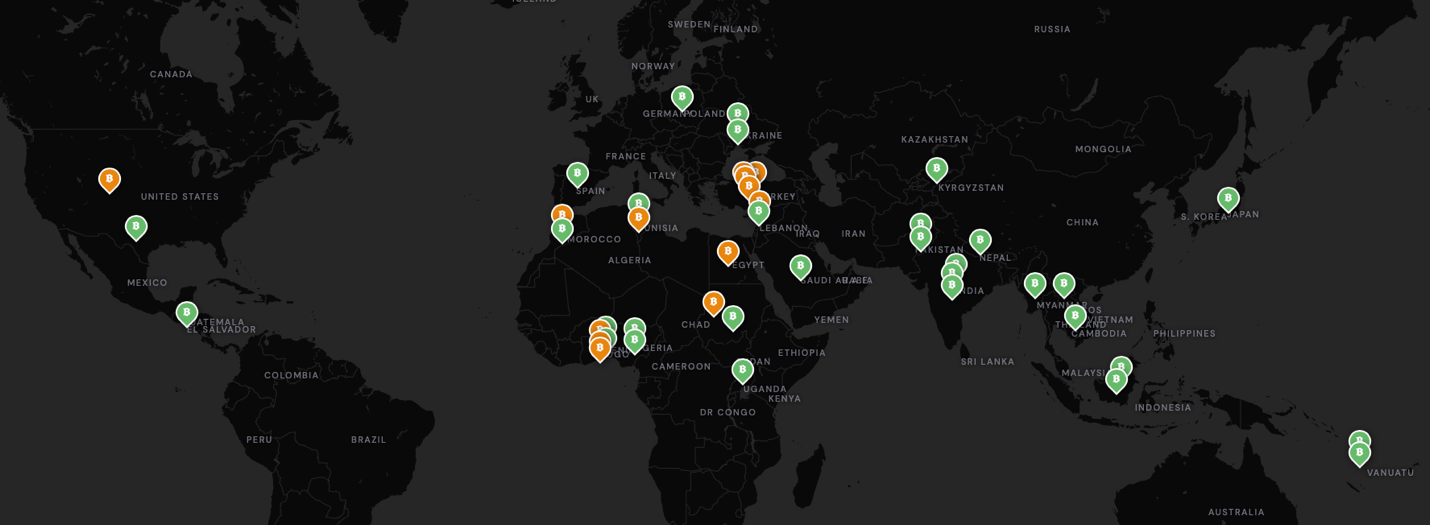
India, Afghanistan, Turkey, Syria, Iran, China, and Sudan were prominently displayed as areas these funds needed to reach, but that had historically been difficult or impossible to transfer through traditional methods like international wire transfers. And although alternative strategies were in place to fund ongoing mission work in these areas, it often placed their missionaries at even greater risk as they strive to fulfil the Great Commission. However, regardless of location, the common theme among participants was the difficulty in moving money into specific countries, the high prices being paid to do so, albeit while still being slow and without a complete guarantee that the funds would even arrive, and a desire to seek out solutions to bring costs down while protecting their fieldworkers.
Indeed, a prominent question that was posed during the initial surveys was "what causes the most operational stress?" From this, three responses emerged as frontrunners that would ultimately shape most of the conversation moving into the afternoon and most of the Q&A sessions. These were:
- Regulatory and Know Your Customer (KYC) compliance constraints,
- Fieldworker safety and anonymity, and
- High foreign exchange rates and astronomical transfer and banking fees.
The Sessions
With the participants' concerns in mind, the summit began its seven sessions with Sam Konigsberg, Director at BlackRock, who argued that Bitcoin was already mainstream. Rejecting the supposition that Bitcoin was merely a speculative asset, Sam's presentation held that it is a maturing monetary network with infrastructure that could specifically benefit the mission's community.
Following Sam, Ahshuwah Hawthorne – Executive Director and Founder of Brilliance Labs, and Mike Peterson – Missionary and Founder of Bitcoin Beach, introduced real-world case studies of Bitcoin's use to facilitate mission work. They highlighted not only Mike's personal experience working in El Salvador to create a Bitcoin Circular Economy, but also examples from India and Turkey. Bringing in additional guests with on-the-ground experience using Bitcoin in missions, they demystified Bitcoin for attendees while addressing the audience's functional questions.
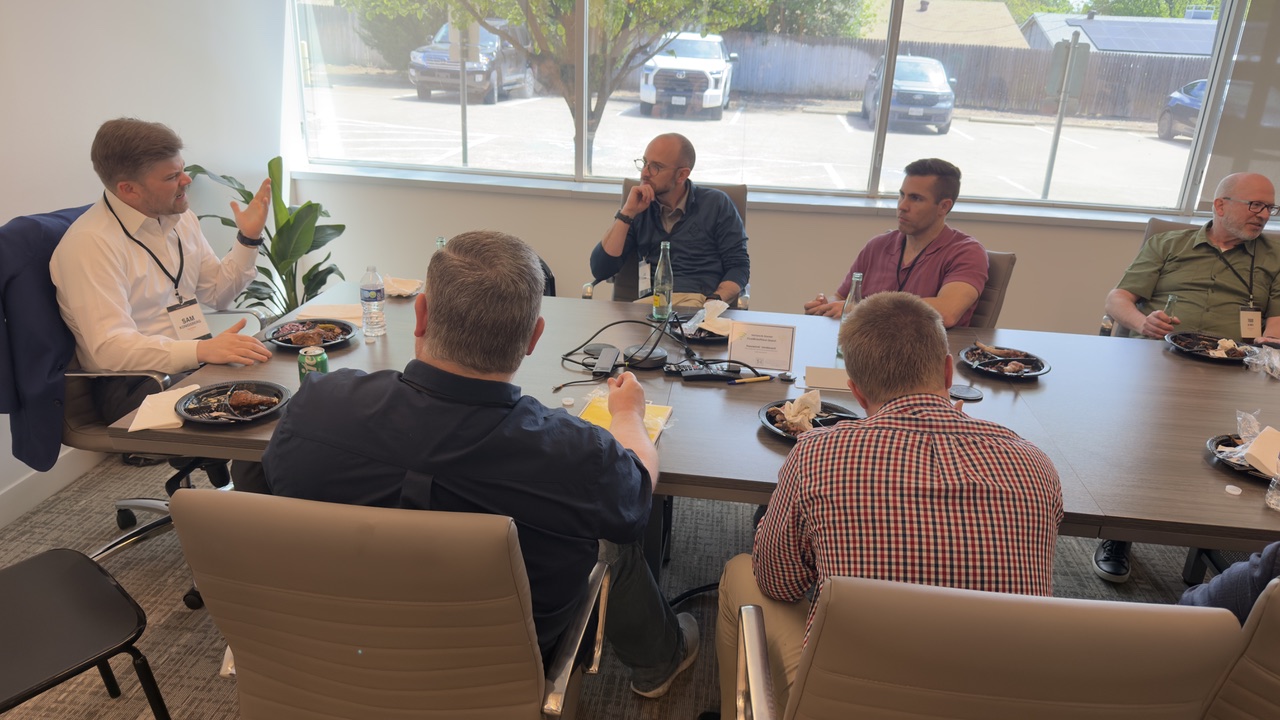
With enthusiasm high, and many of the guest wanting to keep the momentum going, the lunch break also featured coaching tables led by some of the speakers. As we enjoyed the Texas BBQ, participants were able to ask questions to the experts and engage with each other in small focus groups built around their specific organizational concerns and needs. The rest of the day was packed with opportunities to ask questions about OFAC compliance, audit considerations, digital currency for business as ministry contexts, and the actual cost breakdown of setting up a cross-border payment pipeline using digital currencies.
A Live Bitcoin Send
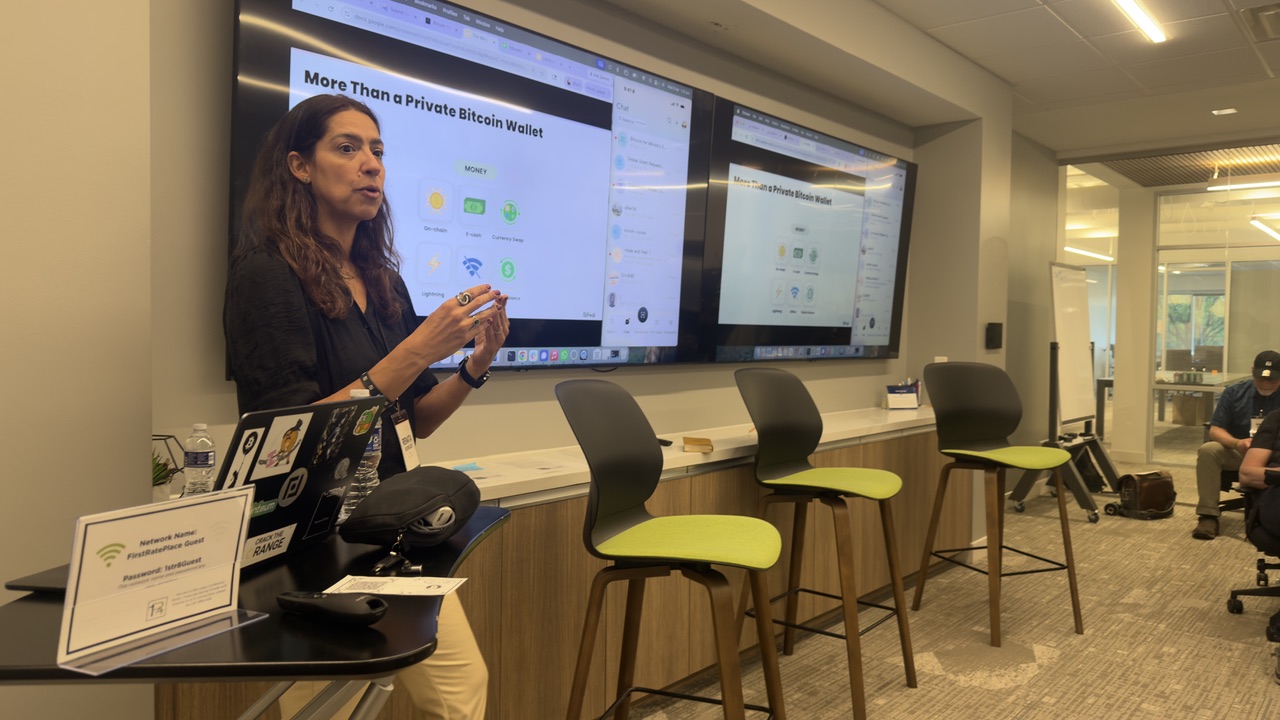
Perhaps the most dramatic component of the summit was a demonstration of the Fedi community app, which gave participants the opportunity to send about $60 worth of bitcoin to a missionary of their choice through the Brilliance Labs world missions map using digital cash vouchers we handed out at registration. This was a major highlight for many attendees who were thrilled to see all the pieces from the conference coming together as they sent money using their own cell phones to real missionaries in areas their organization had trouble moving finances to.
What People Took Away
While not everyone left the conference ready to implement bitcoin payments right away, the effect was nonetheless far beyond what we expected. Ben Haily, from the Magnalia Foundation, commented that "the key takeaway was the practical aspects of Bitcoin as a payments rail that has nothing to do with the asset itself," which was particularly helpful for people who came into the conference skeptical about Bitcoin as a tool for missions. Indeed, while some people left overwhelmed by the break-less pacing, the reality was that we were barely able to keep pace with the questions that kept popping up from the audience. Dan Sherman, author of The Gospel According to Bitcoin, commented that the event "helped my colleague understand the value of Bitcoin as a tool for missions, and gave me a fellow advocate on the potential of the asset when I present to the P2C board in November on the topic."
The Bigger Picture — And What's Next
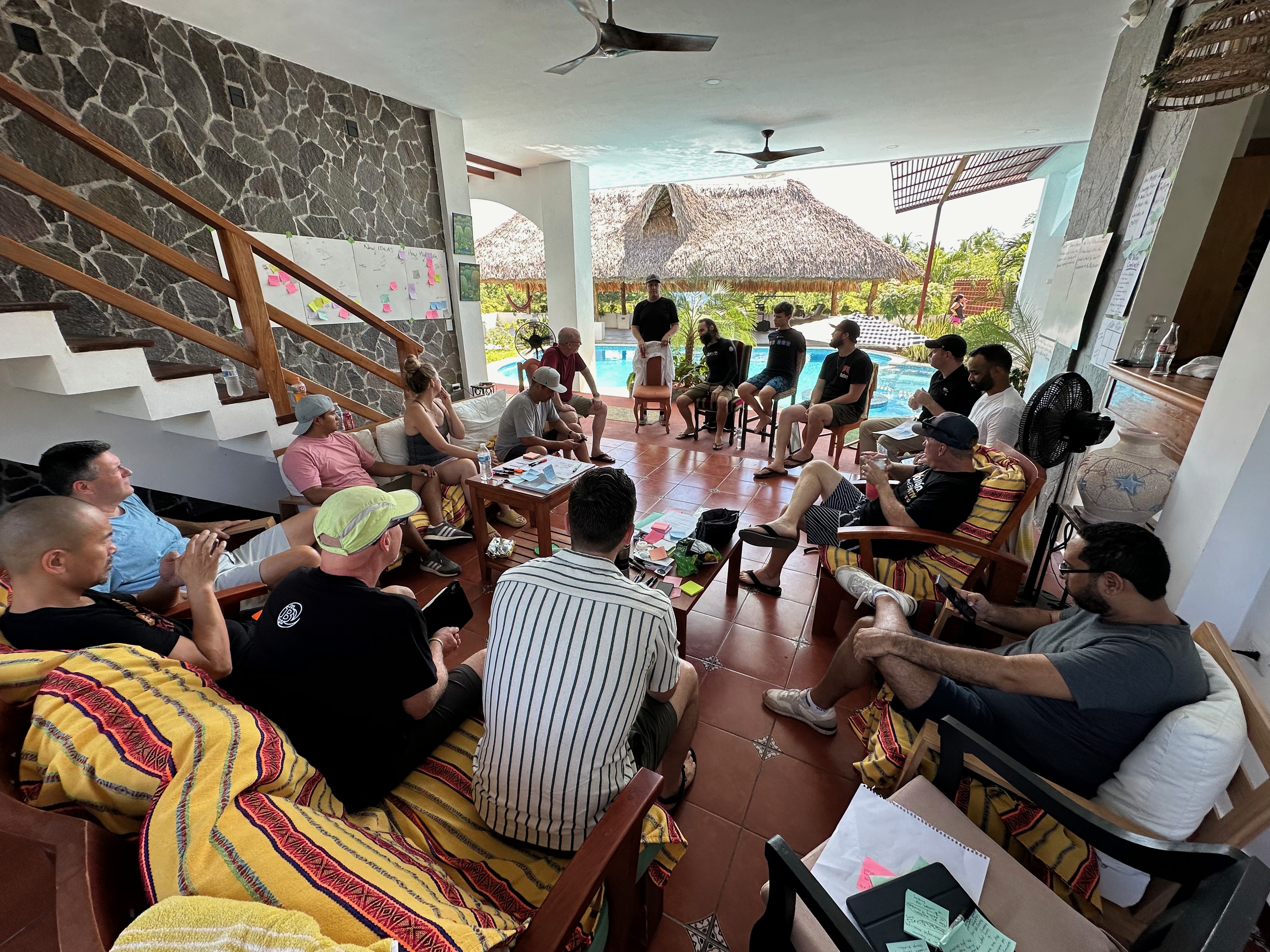
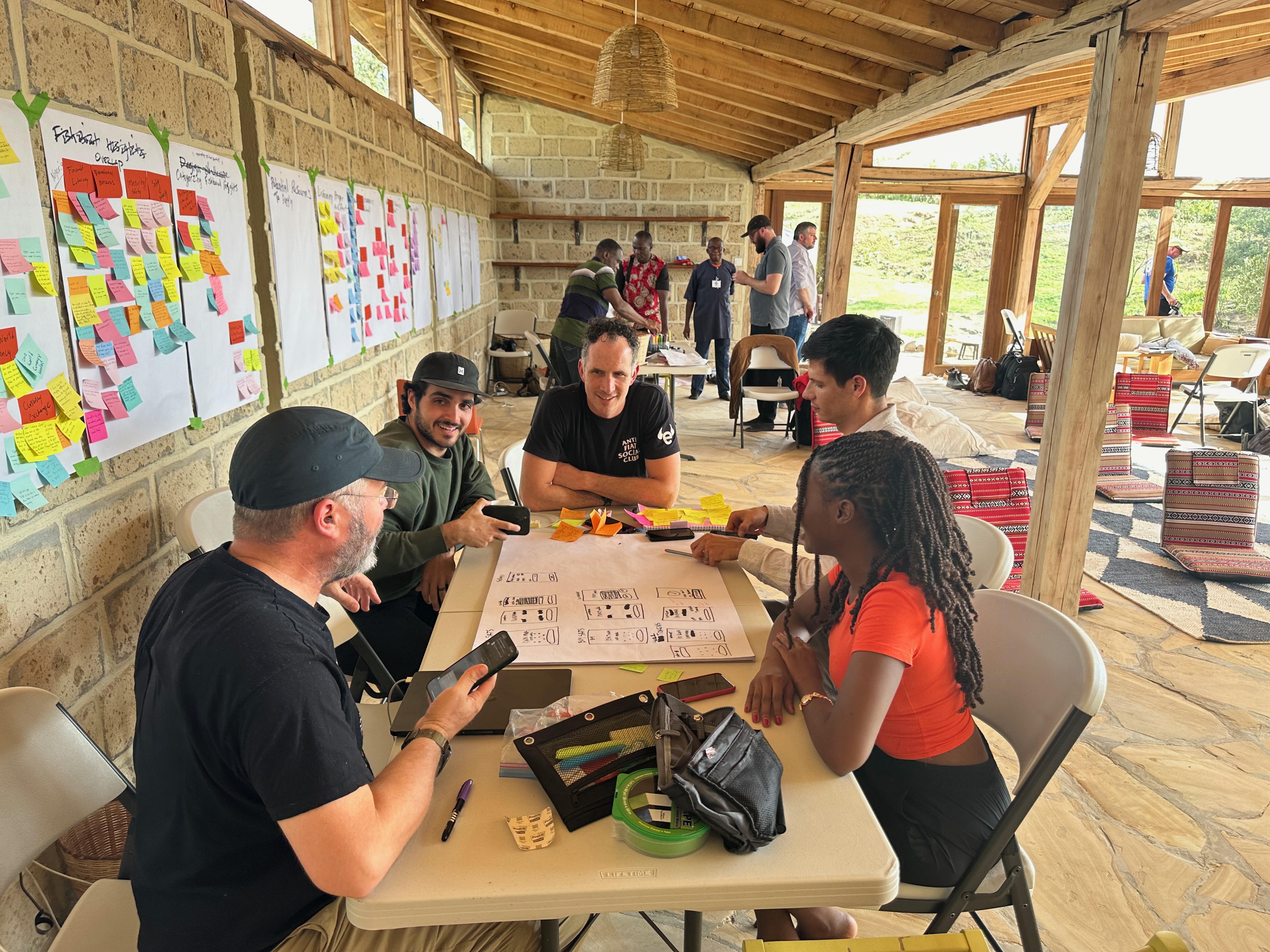
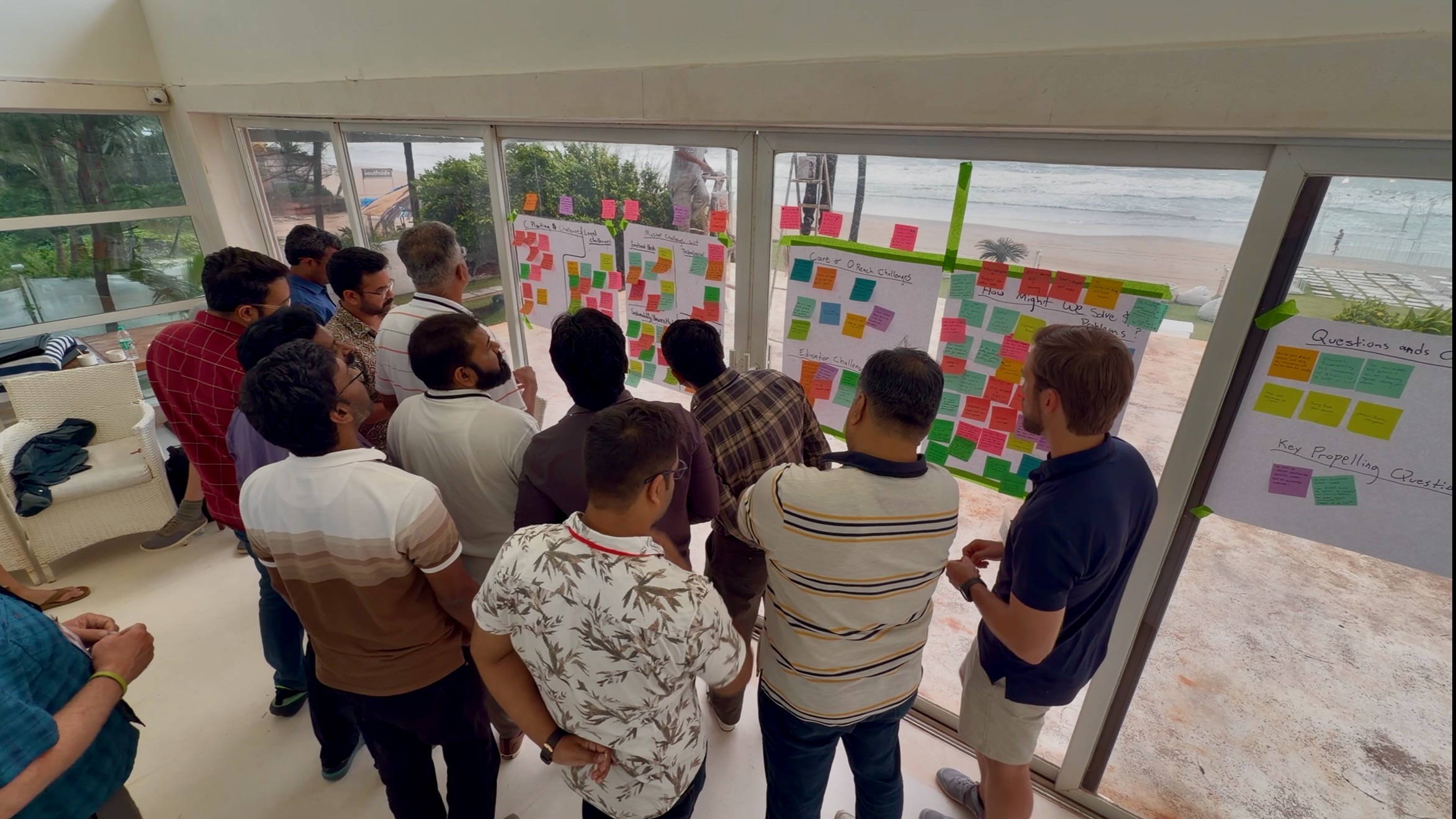
This event was the culmination of several years of research conducted by Brilliance Labs after receiving an innovation grant through an anonymous donor to Missio Nexus, which enabled design labs in El Salvador, Kenya, and India. Additionally, a Paystand Foundation grant allowed Brilliance Labs to provide the summit attendees with a small Bitcoin for Missions Trial Experience Grant to experiment with the Fedi network themselves. Interestingly, our findings over the last couple of years, including those developed during this event, have increasingly pointed to the strain experienced by missionaries and mission organizations as they try to move money around the world. From Brilliance Labs research, 75% of fieldworkers have not only had funding delays but also experienced security incidents connected to receiving funds. This is not a theoretical risk but a lived reality for many missionaries working in remote and hostile countries.
The findings of that work are now public: our Cross-Border Funding Survey lays out what we learned from surveying mission finance leaders about how money actually moves into the world's hardest places — what breaks, what costs, and where digital currencies are already filling the gap. The data behind the statistics above lives there, along with the full set of regional case studies.
The Summit confirmed that while the organizational will remains hesitant, there are people in the mission's finance community ready to begin having conversations about alternative payment pathways. In response, Brilliance Labs is launching its Frontier Finance Pilot Consultation, which will guide mission's finance executives through the steps needed to set up a Bitcoin powered payment pipeline. The consultation will cover compliance guidelines, a fieldworker situational analysis, a cost-savings investigation, and a live experimental trial transfer and conversion to local currency.
If you oversee cross-border payments for missions and are curious about whether digital currencies like Bitcoin could help with your efforts to build the Lord's Kingdom, we would love to talk and see how we can work together to bring about His glory on the earth today. Write us at Hello@BrillianceLabs.org.
Resources Shared at the Summit
- Collection of Resources for Understanding Bitcoin — Curated reading list and tool index
- Bitcoin Solves Real World Problems Slideshow (PDF)
- Frontier Finance Consulting Slideshow (PDF)
- Beyond Bitcoin Adoption — Our Story Slideshow (PDF)
- Cross-Border Funding Survey — Full research findings from mission finance leaders
- More speaker slideshows coming soon.